


Table of Contents
- Start With the Movement: Automatic Watch Movement Explained
- The Best Automatic Watches for Beginners: What to Look For
- How to Choose a Watch Size for Your Wrist
- Complications, Bracelets, and the Details That Decide It
- What Your Luxury Automatic Watch Really Costs to Own
- Authentication, Warranties, and Buying With Confidence
- Automatic Watch Maintenance and Servicing: The Long Game
- Conclusion: Your First Luxury Automatic Watch
- Frequently Asked Questions
Last Updated: October 6, 2026
Start With the Movement: Automatic Watch Movement Explained
Choosing your first luxury automatic watch starts with understanding what actually powers it. An automatic watch movement, also called a mechanical caliber, is a self-winding mechanism that draws energy from the motion of your wrist. At Day & Night Watch Co., we build around this principle because it turns a timepiece into something you maintain rather than replace.
A quartz watch ticks from a battery. An automatic watch breathes with you.
Rotor, Balance Wheel, and Power Reserve
Inside every automatic movement sits a rotor, a weighted half-disc that spins as your arm moves. That rotation winds the mainspring. The balance wheel then regulates the release of that stored energy into steady, measurable beats.
Power reserve is simply how long a watch runs once you take it off. Most automatics hold between 38 and 42 hours, which means a weekend on the nightstand won't stop it.
Hacking Seconds and Hand-Winding
Two features separate a frustrating automatic from a satisfying one.
- Hacking seconds: the second hand stops when you pull the crown, letting you sync to the exact second
- Hand-winding: you can top up the mainspring manually instead of shaking the watch to wake it
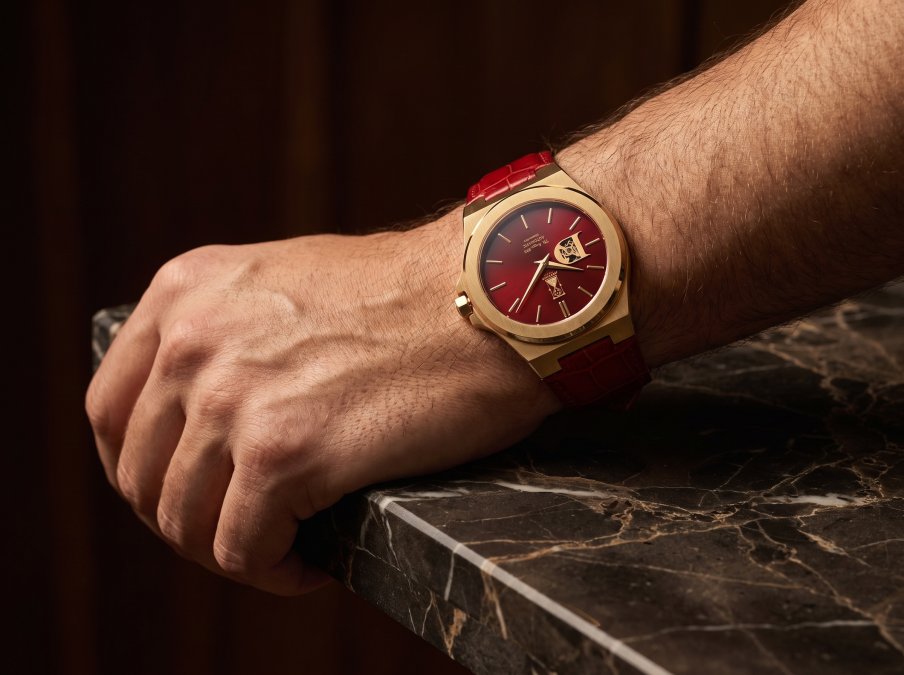
The Seiko NH38 movement inside The Sango 878 collection offers both. That matters more than most buyers realize on day one.
The Best Automatic Watches for Beginners: What to Look For
The best automatic watches for beginners share three traits: a reliable movement, sapphire crystal, and honest water resistance. Skip any one of these and you'll feel the compromise within a year.
Most first-time buyers fixate on the dial. The specs that actually decide whether you still love the watch in 2036 live underneath it.
Sapphire Crystal, Stainless Steel, and Water Resistance
Sapphire crystal is a synthetic, scratch-resistant glass rated near 9 on the Mohs hardness scale, second only to diamond.
316L stainless steel is the standard case and bracelet alloy for a reason: it resists corrosion, holds a polish, and survives daily wear without pitting.
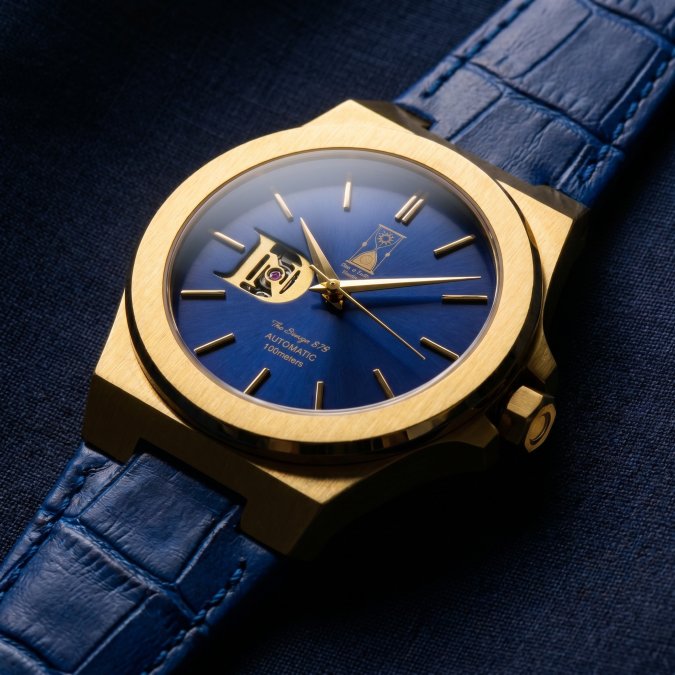
Water resistance is measured in meters but means more than swimming. A 100-meter rating, like The Sango 878, covers swimming and showering.
Spec |
Why It Matters |
Beginner Target |
|---|---|---|
Movement |
Determines reliability and service life |
Automatic, hacking, hand-winding |
Crystal |
Scratch resistance and clarity |
Sapphire |
Case material |
Corrosion and wear resistance |
316L stainless steel |
Water resistance |
Protection from daily moisture |
50m minimum, 100m preferred |
Warranty |
Covers movement defects |
2 years or more |
How to Choose a Watch Size for Your Wrist
Learning how to choose a watch size comes down to one measurement most buyers never take: lug-to-lug.
Case Diameter, Lug-to-Lug, and Wrist Ergonomics
Case diameter is the width of the watch head, measured across the case excluding the crown. Lug-to-lug is the vertical span from the top lug tip to the bottom. Wrist ergonomics is how those numbers interact with your actual wrist shape.
A 40mm case with a short lug-to-lug can wear smaller than a 38mm case with long lugs. That's the part most guides miss.
- Measure your wrist circumference with a soft tape
- Keep lug-to-lug under your wrist width for a clean fit
- Leave a little room at the lugs; overhang looks sloppy and catches on cuffs
Complications, Bracelets, and the Details That Decide It
Complications are any function beyond telling time: a date window, a chronograph, a moon phase. For a first automatic, restraint wins. A date complication is useful.
The bracelet or strap changes how the watch feels more than any other component. A deployant clasp protects the leather from repeated bending and lets you size the fit precisely.
Match the strap to your life. Leather for the office, steel for everything else.
What Your Luxury Automatic Watch Really Costs to Own
The purchase price is the entry fee, not the total. Cost of ownership breaks into three buckets: acquisition, maintenance, and the slow accumulation of wear items, and most first-time buyers underestimate the second and third.
Acquisition: The Watch, the Fit, and the Extras
Beyond the watch itself, budget for sizing (bracelet link removal or a strap swap), and decide up front whether you want a second strap for versatility. A leather strap and a steel bracelet on the same watch effectively doubles its wardrobe range. If you're ready to take the plunge, Day & Night Watch Co. offers 10% off Your First Timepiece to soften the entry fee.
Maintenance: The Recurring Cost Most Guides Skip
A mechanical movement has hundreds of tiny parts running against each other, and the lubricants that keep them smooth dry out and migrate over time.
A common pattern is to treat the service as a surprise. A better approach is to set aside a small amount each month from the day you buy the watch, so the service is funded before it's due.
Wear Items: The Slow Drip
Gaskets, straps, and clasps degrade with use. A leather strap may need replacing every year or two with daily wear. Gaskets should be replaced at every service to preserve water resistance. A deployant clasp protects leather from repeated bending and extends strap life noticeably.
Resale Value vs. Emotional Value: A Framework
Not every luxury automatic is an investment, and treating a first watch as one is the fastest route to disappointment. A useful framework:
- Investment pieces: limited production, strong brand heritage, full documentation, and a model with a proven secondary market. These are the exception, not the rule.
- Daily wearers: the watch you actually wear. Its value is emotional and functional, not financial. Resale will be a fraction of retail, and that's fine.
- Hybrids: mainstream models from established brands that hold a reasonable percentage of retail if kept in good condition with box and papers.
Buy the daily wearer first. If you later want an investment piece, you'll know the market well enough to judge it.
Service Interval Signals
Signs you're overdue for service:
- The watch runs fast or slow beyond a minute a day
- The power reserve shrinks noticeably
- The rotor feels gritty or the winding is stiff
Between services, keep it simple. Rinse a 100-meter watch with fresh water after saltwater exposure. Store it somewhere dry. Wind it gently if it's been sitting.
Authentication, Warranties, and Buying With Confidence
Authentication is the process of verifying a watch is genuine, and it's where first-time buyers get hurt most. The grey market sells real watches through unauthorized channels, often without a valid manufacturer warranty. Pre-owned watches from a reputable seller can be excellent value, but only with documentation.
Authentication Verification Steps
Before you commit, work through this checklist:
- Serial number: engraved on the case back or between the lugs, and it should match the paperwork exactly. A mismatched or missing serial is a red flag.
- Reference number: confirms the model, dial variant, and case material. Cross-check it against the brand's published specs.
- Movement inspection: on a display-back watch, look for consistent finishing, correct engravings, and the expected jewel count. On a solid-back watch, ask for a movement photo or a watchmaker's inspection.
Authorized Dealer vs. Grey Market vs. Pre-Owned
- Authorized dealer: manufacturer-backed warranty, full documentation, and a relationship for future service. You pay full retail.
- Grey market: real watches, often discounted, but typically no manufacturer warranty. Savings aren't savings if the movement fails and no one will touch it.
- Pre-owned: the widest range of value, but condition and documentation vary enormously. Buy the seller as much as the watch.
Warranty Coverage: What to Confirm
Ask what the warranty actually covers. Most manufacturer warranties cover movement defects for a set period but exclude water damage, accidental damage, and normal wear. Confirm the coverage period, whether it's transferable, and who performs the service.
Buyers who want documentation, a real warranty, and a return window without the grey-market gamble. Every Day & Night Watch Co. timepiece ships with a two-year warranty covering movement defects.
Red Flags to Walk Away From
- Seller refuses to provide the serial number or movement photos
- Warranty card is blank, undated, or doesn't match the reference
- Price is dramatically below market with a story about urgency
Automatic Watch Maintenance and Servicing: The Long Game
Automatic watch maintenance and servicing is what separates an heirloom from a paperweight. A mechanical movement has hundreds of tiny parts running against each other, and the oil that keeps them smooth dries out over time.
Service intervals land around every five to seven years for a daily-worn automatic. Signs you're overdue:
- The watch runs fast or slow beyond a minute a day
- The power reserve shrinks noticeably
- The rotor feels gritty or the winding is stiff
Between services, keep it simple. Rinse a 100-meter watch with fresh water after saltwater exposure. Store it somewhere dry. Wind it gently if it's been sitting.
Conclusion: Your First Luxury Automatic Watch
The challenge with a first automatic isn't finding a watch; it's finding one you'll still respect in twenty years. Most buyers chase the dial and ignore the movement, the crystal, and the fit, then wonder why the thrill fades.
At Day & Night Watch Co., we build timepieces meant to be kept. Every watch is crafted from 316L stainless steel and sapphire crystal, powered by precision movements, and backed by a two-year warranty.
Frequently Asked Questions
What should I look for when choosing a luxury automatic watch?
Start with the movement, then work outward. A reliable automatic caliber such as the Seiko NH38 gives you a proven power reserve and easy servicing. Look for sapphire crystal, which resists scratches far better than mineral glass, and 316L stainless steel for the case and bracelet. Check water resistance against how you actually live: 50 meters handles handwashing and rain, while 100 meters suits swimming and outdoor work. Finally, confirm the warranty terms and whether the brand services what it sells.
How do I choose the right watch size for my wrist?
Measure your wrist circumference with a soft tape, then match it to case diameter. Lug-to-lug matters more than diameter, because a long lug span overhangs the wrist even on a small case. The lugs should sit within the flat top of your wrist, not hang past the edges.
How often does an automatic watch need to be serviced?
Most automatic movements run well for five to seven years before needing a full service. Signs it is due include losing or gaining more than a minute a day, a power reserve that no longer holds overnight, or a rotor that feels gritty. A service involves disassembly, cleaning, lubrication, and resealing, which protects water resistance. Budget for it as part of ownership rather than treating it as a surprise repair.
Is an automatic watch a good choice for everyday wear?
Yes, if you accept two habits. An automatic movement winds itself from your wrist motion, so it stays running as long as you wear it regularly; leave it off for a weekend and it may stop. It also needs servicing every five to seven years. In exchange you get a mechanical caliber with a sweeping seconds hand, no battery changes, and a build that can be repaired rather than replaced. For daily office and outdoor use, that trade is worth it.
What is the three-watch rule?
The three-watch rule is a collecting guideline rather than a formal standard. It suggests a complete rotation covers three roles: a versatile daily driver that works at the office and on weekends, a dress watch for formal occasions, and a rugged sports or dive watch for outdoor use. The point is restraint. Instead of accumulating overlapping pieces, you buy three watches that each do something the others cannot, which keeps the collection intentional and easier to justify.
How can I verify a watch is authentic before buying?
Ask for the serial number and warranty card, then confirm the serial matches the caseback and the paperwork. On pre-owned pieces, request clear photos of the movement through a display caseback and check that the engraving is crisp rather than stamped or uneven. Buy from an authorized dealer or a seller with a documented return policy. If a price sits far below the market for that reference, treat it as a warning sign and walk away.
Is a luxury automatic watch a good investment?
Treat resale value as a bonus, not the reason to buy. Most watches in the accessible luxury range hold some value but do not appreciate, and the models that do are rare and usually far above this price point. The stronger return is emotional and practical: a mechanical caliber you wear daily, service every few years, and eventually pass down. Buy the watch you want to keep, and resale takes care of itself.
Choosing your first luxury automatic watch is a decision about legacy, not just style. When you're ready to invest in a timepiece that holds up to daily wear and passes down through the years, Day & Night Watch Co. offers 316L stainless steel construction, sapphire crystal clarity, and a two-year warranty on every piece. Explore The Sango 878 and The Pharaoh Collection and start with a watch built to last.


Leave a comment