


Last Updated: October 29, 2026
Quick Summary
Yes, you can remove light scratches from a stainless steel watch case at home using a cloth, a mild abrasive, and a steady hand. First confirm whether your case is polished or brushed, since polished steel needs small circles and brushed steel needs straight strokes with the grain. Tape off the crystal, crown, and bezel before you start.
- A light scratch sits in the top layer of the finish, not in the metal body.
- Polished steel is worked in small circles; brushed steel in straight lines with the grain.
- Masking tape protects the crystal, bezel edge, crown, and bracelet while you work.
- For brushed cases, use a fine Scotch-Brite pad with gentle pressure and long, consistent strokes.
- Stop and see a watchmaker if a scratch is a groove you can feel with a fingernail.
Table of Contents
- Can You Remove Light Scratches From a Stainless Steel Watch Case at Home?
- Identify the Case Material and Finish Before You Touch It
- How to Remove Scratches From a Brushed Stainless Steel Watch
- How to Remove Scratches From a Polished Stainless Steel Watch
- Choosing the Best Scratch Remover for Stainless Steel
- Professional Watch Polishing: When It Is Worth It
- Protect Your Case and Keep the Finish Clean
- Frequently Asked Questions
Can You Remove Light Scratches From a Stainless Steel Watch Case at Home?
Yes, you can remove light scratches from a stainless steel watch case at home, and most surface marks come out with a cloth, a mild abrasive, and a steady hand. At Day & Night Watch Co., we build every case from 316L stainless steel. The catch is knowing which scratches to touch and which to leave alone.
What Counts as a Light Scratch
A light scratch is a surface mark you can feel with a fingernail only faintly, or not at all. It sits in the top layer of the finish, not in the metal body.
Light scratches show up as:
- Fine hairlines that catch the light at an angle
- Dull scuffs on a polished surface
- Shallow lines from a desk edge, a clasp, or a pocket
Deep scratches are different. They cut into the metal and leave a groove you can feel. Nordgreen's watch care guide notes that deep scratches may need professional care to keep the surface even and reflective.
When to Stop and Hand It to a Watchmaker
Stop the moment a scratch is deep, or the case has dents, pitting, or damage near the crystal or crown. A watchmaker has the tools to level the surface without wrecking the shape.
Hand it over if you see:
- A groove you can feel with a fingernail
- Pitting or corrosion spots
- Scratches on the caseback threads or gasket area
- Any damage that could affect water resistance
Water resistance depends on tight seals and correct case geometry. Grinding near a gasket can quietly break that seal. If your watch is rated for swimming or daily wear, let a pro handle anything close to the seals. If you are weighing a repair against a replacement, see our guide to durable watches for active professionals.
Identify the Case Material and Finish Before You Touch It
Before any abrasive touches the metal, confirm two things: the case is stainless steel, and you know whether the finish is polished or brushed. Skipping this step is the most common way people make a small mark worse.
Our own cases use 316L stainless steel. Plated cases, gold-tone coatings, and titanium all behave differently, so do not treat them like bare steel.
Polished vs. Brushed Stainless Steel
Polished steel has a mirror finish. It reflects light evenly and shows every fingerprint. Brushed steel has a satin finish with fine, parallel grain lines that scatter light.
The two finishes need opposite methods:
- Polished: you work in small circles to blend the shine back in
- Brushed: you work in straight lines that follow the existing grain
Get this wrong and you will leave polishing marks that stand out more than the original scratch.
Masking and Protecting the Watch
Tape off everything you do not want to touch. A strip of masking tape protects the crystal, the bezel edge, the crown, and the bracelet while you work on the case.
A simple protection checklist:
- Tape over the crystal and any coated bezel
- Cover the crown and pushers
- Remove the bracelet if you can, or tape the end links
- Lay the watch on a soft cloth on a stable surface
- Keep water and grit away from the case
Masking keeps abrasive dust out of the seals and stops stray strokes from dulling a polished edge you meant to leave alone.
How to Remove Scratches From a Brushed Stainless Steel Watch
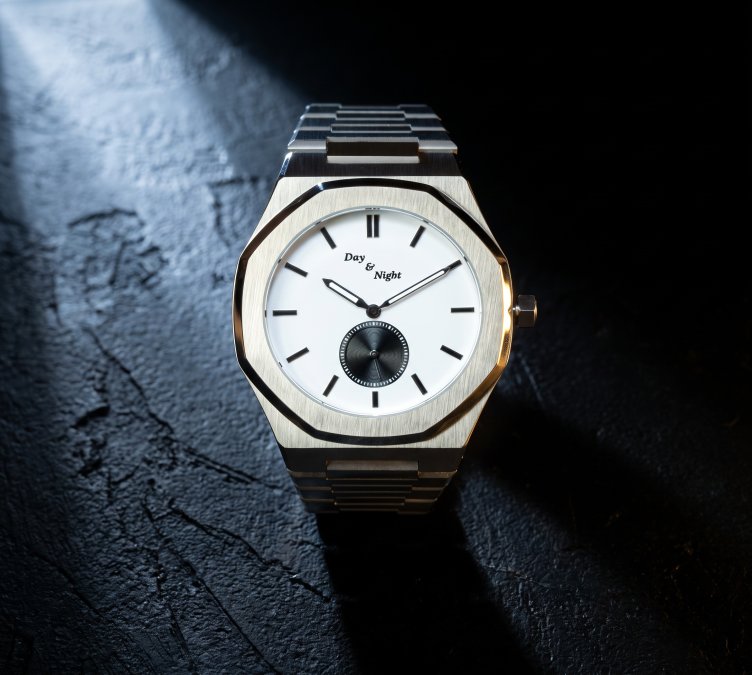
The trick most guides miss: keep your strokes long and consistent. Short, choppy strokes create a patchy satin finish that looks worse than the scratch. If the grain runs horizontally across the lugs, every stroke runs horizontally. Change direction and you will see it immediately.
How to Remove Scratches From a Polished Stainless Steel Watch
After polishing, wipe the case with a clean microfiber cloth to remove all residue. A final buff with a dry cloth restores the shine and removes any leftover compound from the grain.
Choosing the Best Scratch Remover for Stainless Steel
Match the tool to the job:
| Finish | Best Tool | Motion | Pressure |
|---|---|---|---|
| Brushed | Fine Scotch-Brite pad (light grade) | Straight, with the grain | Gentle |
| Brushed (light) | Fiberglass brush | Short, with the grain | Light |
| Polished | Polishing cloth and metal polish | Small circles | Light |
| Polished (stubborn) | Fine polishing compound | Small circles, blended | Moderate |
Skip anything you would use on furniture or car paint without checking it first. Keep abrasive dust away from the crystal and seals, and wipe the case clean between steps.
Abrasive Selection and Grit Progression
After each stage, wipe the case clean with a soft cloth and inspect under good light. If the scratch is still visible, move to the next stage. If it has faded, stop, over-polishing removes unnecessary metal.
Professional Watch Polishing: When It Is Worth It
If you want to read more on care and ownership, the D & N Watch Chronicles blog covers watch guides, buying tips, and care advice. And if a fresh start appeals more than a repair, you can take 10% off Your First Timepiece when you shop with us.
Protect Your Case and Keep the Finish Clean
A scratched steel bracelet is often the biggest source of marks on the case, since the clasp and links rub against it. If you want to cut that friction and change the look, our guide to leather versus stainless steel shows how to swap the bracelet without buying a new watch. And when you do polish, finish with a clean buffing cloth so no residue is left in the grain.
Frequently Asked Questions
Is there a way to remove light scratches from stainless steel without polishing?
For very shallow surface scratches on a polished finish, a soft cloth and a small amount of metal polish worked in gentle circles can reduce their visibility without aggressive material removal. On brushed surfaces, a Scotch-Brite pad stroked in the original grain direction does the same job. Neither method erases a scratch completely; both smooth the edges so light stops catching on them. Deeper marks that you can feel with a fingernail need professional attention instead.
Can polishing a watch case damage its finish?
Yes. Polishing removes metal by definition, so repeated or heavy-handed work can flatten case edges, soften bevels and change how light reflects off the surface. Watch-community discussion on the topic is clear that every polishing pass takes material away, and Nordgreen notes that deep scratches may need professional care to keep the surface even. Work lightly, polish only the scratched area, and stop once the mark fades rather than chasing a mirror finish.
What is a good scratch remover for stainless steel?
For light scratches, a fine metal polish on a microfiber cloth handles polished surfaces, while a gray Scotch-Brite pad suits brushed finishes. A fiberglass brush is useful for tight spots around lugs. Avoid coarse sandpaper and kitchen scouring pads on polished areas, since they leave visible polishing marks that are harder to fix than the original scratch. Match the abrasive to the finish, keep pressure gentle, and wipe residue away with a clean cloth afterward.
When should a scratched watch case be professionally polished?
Take the watch to a watchmaker or jeweler when a scratch catches a fingernail, when pitting has broken through the surface, or when the damage sits on a beveled or chamfered edge you want to keep sharp. Professional watch polishing restores brushed and high-polish finishes with controlled abrasives and preserves case geometry. It also avoids the water-resistance risk that comes from working near gaskets and casebacks at home.
A scratched case is a small problem with a clear fix, as long as you match the method to the finish and know when to stop. At Day & Night Watch Co., we build our timepieces from 316L stainless steel and sapphire crystal so the case holds up to daily wear, backed by a two-year warranty. Explore The Sango 878 with its automatic NH38 movement, or The Pharaoh Collection for a precise quartz profile. Get started with Day & Night Watch Co. and wear a watch built to keep its finish through the years.


Leave a comment