


Table of Contents
- Why 316L Stainless Steel Became the Watchmaking Standard
- Corrosion, Rust, and Saltwater Resistance in Daily Wear
- Does 316L Stainless Steel Scratch? Hardness vs Scratch Resistance
- Is 316L Stainless Steel Hypoallergenic? Nickel, Skin Contact, and Comfort
- 316L vs 904L Stainless Steel Watches: Which Grade Belongs on Your Wrist
- How to Clean a Stainless Steel Watch Without Damaging the Finish
- Finish, Weight, and Strap Pairing: What 316L Feels Like On the Wrist
- How to Verify the Steel Grade Before You Buy
- Frequently Asked Questions
Last Updated: October 6, 2026
Why 316L Stainless Steel Became the Watchmaking Standard
The benefits of 316L stainless steel watches start with one fact: the alloy was borrowed from surgical and marine equipment, not from jewelry. That origin story explains almost everything about how it performs on a wrist.
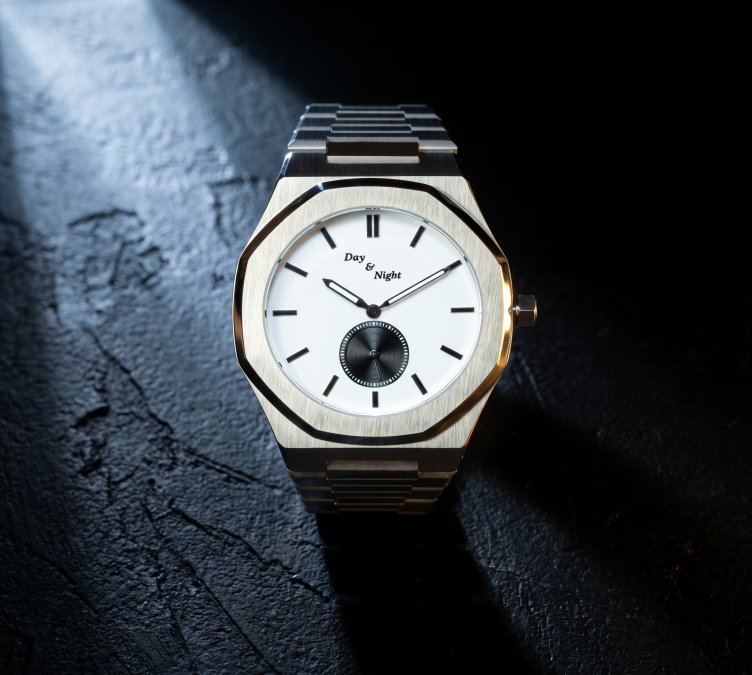
316L stainless steel is a low-carbon, austenitic chromium-nickel-molybdenum alloy that resists corrosion, tolerates skin contact well, and takes both polished and brushed finishes cleanly.
Most watch buyers never think about metallurgy until a case starts to discolor or a clasp irritates their skin. By then, the material choice has already been made for them.
What 316L Stainless Steel Is Made Of
The "316" refers to a specific alloy family; the "L" stands for low carbon. Chromium gives the steel its corrosion resistance by forming a passive oxide layer. Nickel adds toughness and shine.
That low-carbon designation matters more than most buyers realize. Carbon makes steel harder but also makes it more prone to corrosion at the grain boundaries after welding or machining.
ASTM International standards for stainless steel alloys maintains the specifications that define what qualifies as 316L, which is why reputable manufacturers can point to a documented grade rather than a marketing claim.
Corrosion, Rust, and Saltwater Resistance in Daily Wear
Corrosion resistance is the headline benefit, and it is the reason 316L shows up in dive watches, surgical instruments, and marine hardware. The chromium content forms a self-repairing oxide film that regenerates when scratched, provided oxygen is present.
In practice, this means a 316L case shrugs off sweat, rain, sunscreen, and occasional saltwater exposure. It is not invincible. Prolonged immersion in saltwater without rinsing, or contact with chlorine and household cleaners, can still leave marks over time.
Does 316L Stainless Steel Scratch? Hardness vs Scratch Resistance
Yes, 316L can scratch, and any brand claiming otherwise is selling you something. The honest answer is that 316L sits in the middle of the hardness range for watch steels, which is a deliberate trade-off.
Why Hardness and Scratch Resistance Are Not the Same Thing
Hardness measures how well a surface resists a pointed load, like a diamond-tipped tester. Scratch resistance is about how the surface behaves against everyday abrasives: keys, door frames, concrete, zippers. A harder steel resists fine scratches better, but harder also means more brittle, which is why the very hardest steels are rarely used for watch cases.
Here is the part most guides get wrong. The finish on the steel affects how visible scratches are far more than the alloy grade does. A brushed finish hides light scratches because the grain scatters light. A mirror-polished finish shows every mark.
Steel Grade |
Relative Hardness |
Corrosion Resistance |
Typical Use |
|---|---|---|---|
304 |
Moderate |
Good for daily wear |
Budget cases, buckles |
316L |
Moderate |
Strong, chloride-resistant |
Most quality watch cases |
904L |
Moderate |
Highest of the three |
High-end luxury cases |
Is 316L Stainless Steel Hypoallergenic? Nickel, Skin Contact, and Comfort
316L is one of the better choices for sensitive skin, but it is not nickel-free. It contains nickel bound tightly within the alloy structure, which means far less nickel leaches onto the skin than with plated or lower-grade metals.
Reactions vary by person. Some people react to nickel at very low exposure levels, and no manufacturer can guarantee zero reaction for every wearer.
If you have a known nickel allergy, the practical move is to test a watch for short periods before committing to all-day wear, and to keep the caseback and bracelet clean. Oils and sweat trapped against the skin increase the chance of irritation regardless of the alloy.
316L vs 904L Stainless Steel Watches: Which Grade Belongs on Your Wrist
The 316L versus 904L comparison comes down to marginal gains at a significant cost. Both are austenitic stainless steels with excellent corrosion resistance. 904L adds more nickel, chromium, and molybdenum, which pushes its corrosion resistance higher and gives it a slightly warmer luster when polished. But the practical question is not which alloy is technically superior, it is which one belongs on your wrist given how you actually wear a watch.
The Real Differences That Matter
Factor |
316L |
904L |
|---|---|---|
Corrosion resistance |
Strong in chlorides |
Higher, but only noticeable in extreme exposure |
Machining difficulty |
Easier, more technicians stock it |
Harder, fewer service options |
Refinishing |
Straightforward |
Requires more specialized care |
Polish character |
Bright, crisp |
Slightly warmer, deeper luster |
Cost premium |
Standard |
Significant |
For almost every wearer, 316L is the smarter choice. The corrosion difference only becomes meaningful in extreme environments, think repeated, prolonged saltwater immersion without rinsing, or industrial chemical exposure. In those cases, 904L's extra molybdenum and chromium give it an edge. For daily wear, office environments, and occasional water exposure, 316L delivers everything you need.
Use-Case Decision Guide
- Daily wear, desk to dinner: 316L. The finish options are broader, the weight is familiar, and service is simpler.
- Frequent saltwater or dive use: Either works if you rinse after exposure. 904L offers a small margin of safety, but proper care matters more than the alloy.
- Collector-focused, high-end pieces: 904L is often part of the appeal, but it is not a functional necessity.
- Sensitive skin: 316L is generally well tolerated, but 904L contains more nickel, so if you have a known nickel allergy, test carefully regardless of grade.
- Budget-conscious buyers: 316L gives you the same practical benefits without the premium.
What About Titanium and Other Materials?
Titanium is lighter and more corrosion-resistant than either steel, but it scratches more easily and has a different feel on the wrist. Ceramic is harder and more scratch-resistant but can shatter under impact. For most buyers, 316L remains the best balance of durability, appearance, serviceability, and cost.
How to Clean a Stainless Steel Watch Without Damaging the Finish
Cleaning a stainless steel watch takes about five minutes and a few household items. The goal is to remove skin oils, sweat residue, and grime from the bracelet links and caseback without abrading the finish.
- Mix a drop of mild dish soap into a bowl of warm water
- Dip a soft-bristle toothbrush into the solution
- Scrub the bracelet links, clasp, and caseback with light pressure
- Rinse under lukewarm running water, keeping the crown screwed down
- Dry with a microfiber cloth and let the watch air out before wearing
Avoid abrasive polishes, toothpaste, and ultrasonic cleaners unless the manufacturer confirms the watch's water resistance rating supports them. Abrasives dull brushed finishes and can round off the sharp edges that give a case its definition.
Finish, Weight, and Strap Pairing: What 316L Feels Like On the Wrist
Weight is where 316L makes itself known. A full steel bracelet carries a substantial feel that many wearers describe as reassuring; others find it heavy by the end of a long day. This is why strap pairing matters as much as the case itself.
A brushed and polished steel bracelet gives the most cohesive look and the most durability. Swap to a leather strap and the watch reads dressier and lighter on the wrist. A nylon or silicone strap drops the weight further and suits active use.

Lifecycle, Repairability, and Environmental Impact
One of the most overlooked benefits of 316L is how well it ages and how easily it can be restored. Unlike plated metals that wear through to a base layer, 316L is solid throughout.
Most watchmakers can refinish a 316L case and bracelet. The process removes a microscopic layer of metal, so a case can typically be refinished several times over its life before geometry becomes a concern.
At the end of its life, 316L is fully recyclable. Stainless steel is one of the most recycled materials in the world, and watch cases and bracelets are no exception.
Practical Care for Long-Term Ownership
- Rinse after saltwater or pool exposure to protect the passive layer.
- Clean the bracelet and caseback regularly to prevent skin oils from trapping irritants.
- Avoid abrasive polishes that dull brushed finishes.
- Have gaskets checked periodically, water resistance depends on seals, not just the steel grade.
- Store in a dry place to minimize exposure to humidity and chlorides.
How to Verify the Steel Grade Before You Buy
Verification is harder than it should be, because "stainless steel" on a product page tells you nothing about the grade. Here is how to check before you commit.
- Look for the exact grade name: "316L" or "316L stainless steel," not just "stainless steel"
- Check whether the brand states the grade for the case and the bracelet separately
- Ask for material documentation if the price suggests a premium alloy
- Be skeptical of "surgical steel" as a standalone claim, since it is not a defined grade
- Confirm the return policy so you can inspect the finish in person
U.S. Federal Trade Commission guidance on truthful advertising claims sets the standard here: material claims must be accurate and substantiated. A brand that will not name its steel grade in writing is usually not proud of the answer.
If you are ready to put all of this to use, you can take 10% off Your First Timepiece and see how a 316L case feels on your own wrist.
Frequently Asked Questions
Is 316L stainless steel good for watches?
Yes. 316L stainless steel is one of the most widely used materials in watchmaking because it resists corrosion, handles sweat and moisture well, and holds a polished or brushed finish for years. Its low-carbon composition makes it easier to machine into precise cases and bracelets, which is why brands like Day & Night Watch Co. build collections such as The Sango 878 from 316L stainless steel paired with sapphire crystal. For daily wear, it balances durability, skin comfort, and cost better than most alternatives.
Does 316L stainless steel scratch easily?
316L stainless steel can scratch, but the visible damage depends on the finish and how you wear the watch. Brushed surfaces hide fine marks better than polished ones, and sapphire crystal protects the face far more effectively than the case itself. On a 316L stainless steel watch, most everyday scratches come from contact with door frames, desk edges, and keys. A microfiber cloth and mild soapy water keep it clean, and light surface marks can often be buffed out by a jeweler during routine servicing.
Is 316L stainless steel hypoallergenic?
316L stainless steel is generally considered hypoallergenic because it contains molybdenum, which helps stabilize the alloy and reduces nickel release onto the skin. That said, no steel is completely nickel-free, so people with a known nickel sensitivity should still pay attention to how a watch feels during long wear. If you react to other metals, look for 316L stainless steel watch cases and bracelets, and consider a leather strap from Day & Night Watch Co. to limit direct metal contact on the wrist.
How do you care for a 316L stainless steel watch?
Rinse the case and bracelet with lukewarm water after exposure to sweat or saltwater, then dry with a soft microfiber cloth. Use a mild soap and a soft-bristled brush for buildup around links and the caseback. Avoid abrasive cleaners, chlorine soaks, and ultrasonic machines unless the watch is rated for them. For a 316L stainless steel watch, wiping it down weekly and storing it away from humidity will keep the finish and water resistance intact for years.
Choosing a watch means choosing what it is made of, and that choice outlasts trends, seasons, and job titles. Day & Night Watch Co. builds every timepiece from 316L stainless steel and sapphire crystal, with automatic and quartz movements designed for daily wear and long-term reliability. Explore The Sango 878 and The Pharaoh Collection to see how the material performs in a finished watch, backed by a two-year warranty and a design standard built to be passed down.


Leave a comment