


Table of Contents
- Tissot vs Seiko: The Quick Comparison Table
- Swiss vs Japanese Watch Movements: What Sets Them Apart
- Movement Accuracy and Caliber Breakdown
- Build Quality, Materials, and Real-World Durability
- Build Quality, Materials, and Real-World Durability
- Best Entry-Level Automatic Watches for New Collectors
- Automatic Watch Maintenance Tips and Long-Term Costs
- Conclusion: Which Automatic Watch Fits Your Wrist and Your Life?
- Frequently Asked Questions
Last Updated: September 25, 2026
Tissot vs Seiko: The Quick Comparison Table
The tissot vs seiko automatic watch comparison comes down to one question: Swiss heritage or Japanese innovation? Both deliver legitimate automatic movements at accessible prices, but take different paths. Here's how their calibers, materials, and long-term costs stack up.
|
Feature |
Tissot |
Seiko |
|---|---|---|
|
Origin |
Swiss |
Japanese |
|
Movement Style |
ETA-based automatics |
In-house automatics |
|
Price Range |
Entry to mid-tier |
Entry to mid-tier |
|
Signature Line |
PRX, Le Locle |
Prospex, Presage |
|
Best For |
Dress and everyday wear |
Sports and daily durability |
Swiss vs Japanese Watch Movements: What Sets Them Apart
Swiss and Japanese watch movements differ mainly in philosophy, not raw capability. Tissot leans on ETA-derived calibers; Seiko builds almost everything in-house, giving it tighter control over cost and consistency.
Movement Accuracy and Caliber Breakdown
Accuracy in automatic watches comes down to regulation and movement architecture, not brand prestige. A well-regulated entry caliber can beat a poorly regulated premium one.
Tissot's core automatics
- Powermatic 80, the workhorse across the PRX, Gentleman, and Le Locle lines. It runs at 21,600 vph (3 Hz), carries 23 jewels, hacks, hand-winds, and delivers an 80-hour power reserve, achieved partly by dropping the beat rate from the 28,800 vph (4 Hz) of the ETA 2824-2. Tissot rates most variants to about -10/+30 seconds per day.
- Powermatic 80 COSC, the chronometer-certified version in certain PRX and Gentleman references. COSC tightens the daily rate to -4/+6 seconds per day, tested across five positions and three temperatures. You pay for the certificate, not a different architecture.
Seiko's core automatics
- 4R35 / 4R36, the entry tier in Seiko 5 Sports and many Prospex references. 24 jewels, 21,600 vph, ~41-hour reserve, hacking and hand-winding on the 4R36. Seiko's published rate is roughly -35/+45 seconds per day, looser than Tissot on paper, but often tighter after regulation.
- 6R35 / 6R55, the mid tier in Prospex and Presage. 24 jewels, 21,600 vph, 70-hour reserve on the 6R35. Same loose factory spec band, better finishing than the 4R family.
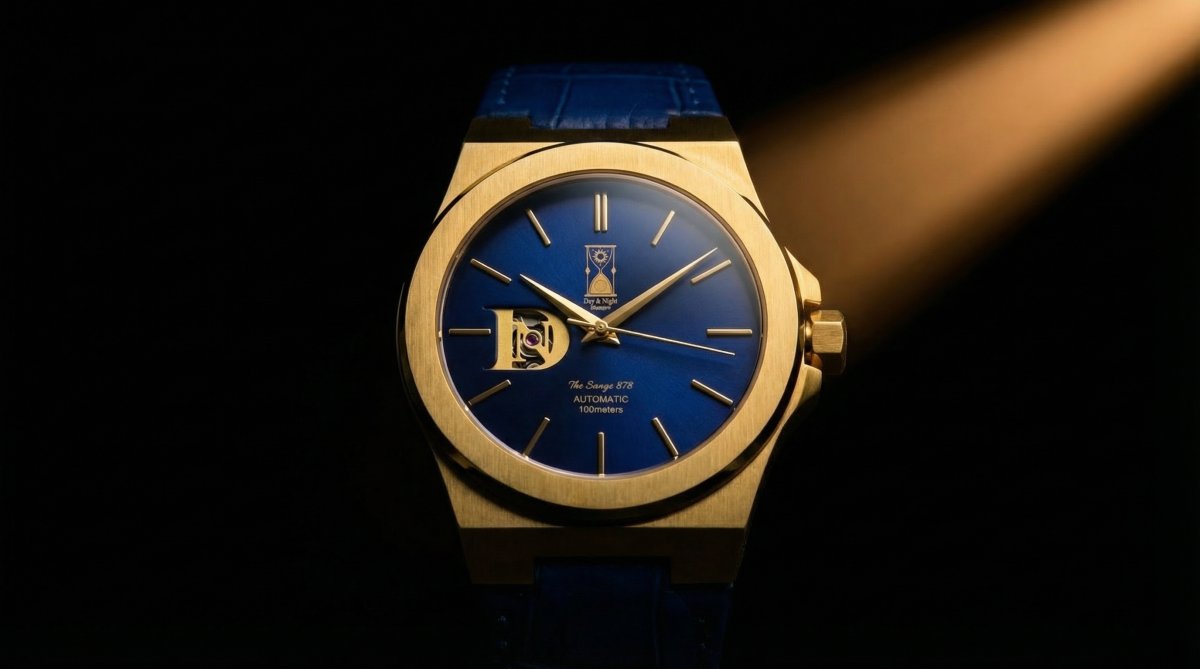
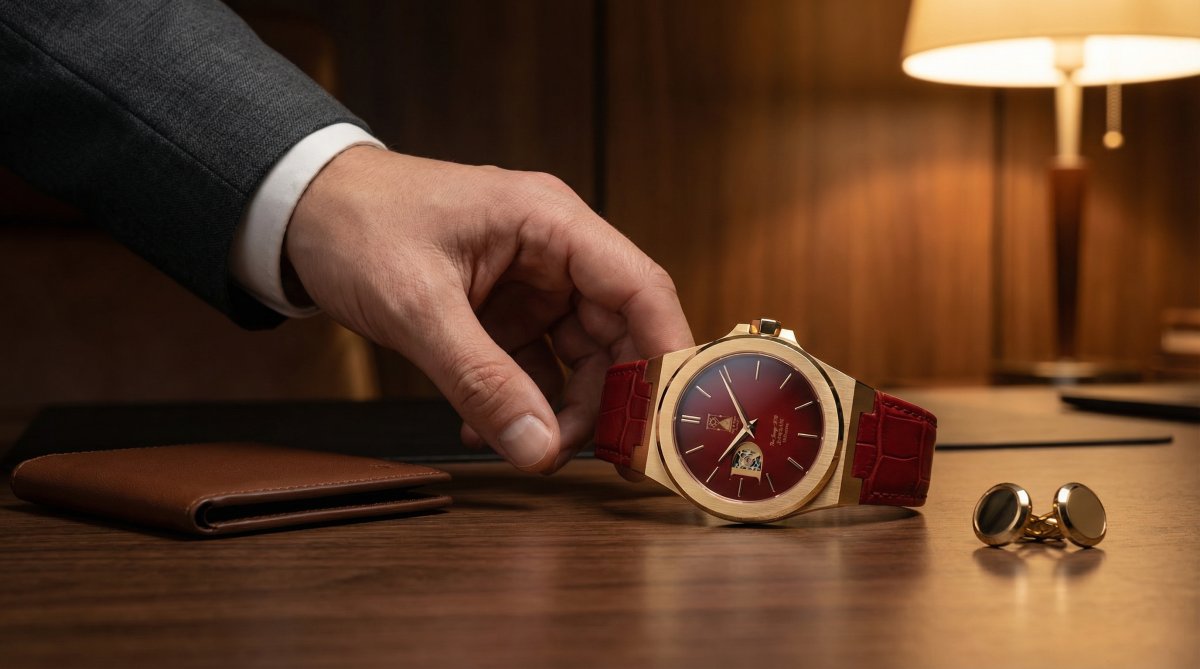
- NH35 / NH38, Seiko's third-party caliber family, sold to outside brands. The NH35 has a date; the NH38 is the no-date version. Both run 24 jewels at 21,600 vph with ~41-hour reserve, hack, and hand-wind. The NH38 powers our own Sango 878 collection, chosen because it is one of the most widely serviced automatics in the world.
What the numbers actually mean for you
- Power reserve: Tissot's Powermatic 80 leads at 80 hours; Seiko's 6R35 sits at 70; the 4R and NH families land around 41. If you rotate watches and skip a day, that 80-hour reserve is real convenience.
- Beat rate: Most Tissot automatics run at 28,800 vph; the Powermatic 80 and nearly all Seiko 4R/6R/NH calibers run at 21,600 vph. Higher beat rates smooth the seconds hand but mean more wear; lower rates trade smoothness for longevity.
- Accuracy spec vs. real world: Factory rate bands are a starting point, not a verdict. Any of these calibers can be regulated to run within a few seconds a day. If precision matters most, buy the COSC Powermatic 80 or budget for a regulation service on a Seiko.
- Jewels and construction: All the calibers above use 23-24 jewels. Jewel count is not a quality score; it reflects where the movement uses bearing jewels versus bushings.
Build Quality, Materials, and Real-World Durability
Build quality is where daily wearers feel the difference. Both brands use stainless steel cases, but finishing, crystal, and case architecture vary by line, and determine how a watch looks after three years of daily wear.
Case material and finishing
- 316L stainless steel is standard on both sides. It resists corrosion and takes a polish or brush finish cleanly. Higher-end Seiko Prospex references sometimes use DLC (diamond-like carbon) coating for scratch resistance; Tissot reserves coatings for special editions.
- Finishing style matters more than the steel. A fully polished bezel and case flanks show every hairline scratch within weeks; a brushed top with polished chamfers hides wear far better. Seiko's dive and field references lean brushed; Tissot's dress references lean polished. That's a design choice, not a quality gap, but it changes how the watch ages.
Crystal
- Sapphire crystal resists scratches far better than mineral glass and is the upgrade most worth paying for. Both brands offer it on most automatics above entry level. Seiko sometimes uses Hardlex (hardened mineral glass) on entry references, more shatter-resistant than sapphire but scratches more easily. Tissot generally uses sapphire across its automatic lines.
- Anti-reflective coating is the detail most buyers miss. Sapphire with an inner AR coating is dramatically more legible in sunlight than bare sapphire. Check whether the coating is inside only (durable) or both sides (better clarity, but the outer coating can scratch).
Water resistance and case architecture
- Seiko's Prospex divers are rated to 200 m with a screw-down crown and caseback, which is why divers and outdoor professionals gravitate toward them. Tissot's dress models are typically rated 50 m or 100 m with a push-pull crown, fine for handwashing and rain, not swimming.
- A screw-down crown and screw-down caseback most affect real-world water resistance. If you want a watch you can swim in, confirm both, not just the depth rating on the dial.
Real-world durability patterns
What to check before you buy
- Crystal material (sapphire beats Hardlex beats mineral for scratch resistance)
- Water resistance rating and whether the crown screws down
- Case finish (brushed hides wear; polished shows it)
- Lug width and strap/bracelet availability, since that affects long-term ownership cost
Build Quality, Materials, and Real-World Durability
Best Entry-Level Automatic Watches for New Collectors
The best entry-level automatic watch is one you'll actually wear daily, not one with the longest spec sheet. Prioritize three things: a reliable movement, sapphire crystal, and a case size that fits your wrist.
- For sporty daily wear: Seiko divers and field watches
- For office and dress: Tissot Le Locle and PRX
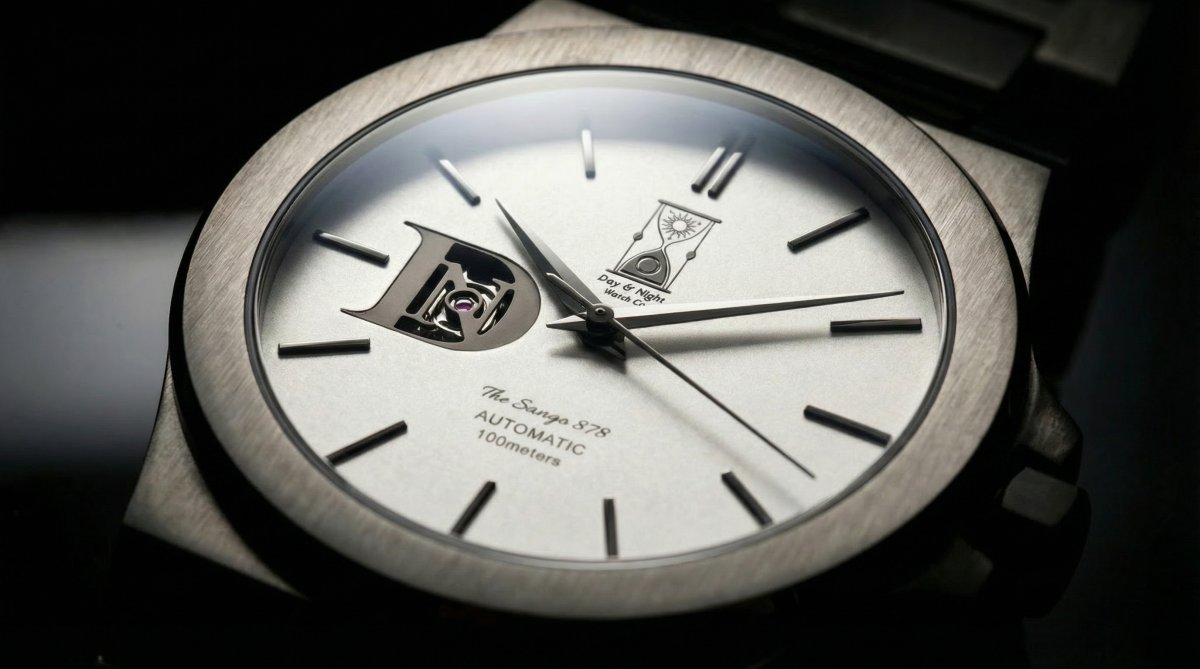
- For value with Swiss-adjacent specs: the Sango 878 collection, built around the NH38
Automatic Watch Maintenance Tips and Long-Term Costs
Automatic watch maintenance is the cost most buyers ignore until their first service bill, and the biggest gap in most Tissot vs Seiko comparisons. Purchase price is one-time; total cost of ownership adds service, parts, and strap replacement over a decade.
Service intervals by movement
- Tissot Powermatic 80: Most watchmakers recommend service every 5 to 7 years of regular wear. The 80-hour reserve and 21,600 vph beat rate are gentle on the mainspring and escapement, so many owners stretch toward 7 years.
- Seiko 4R / 6R / NH families: The same 5 to 7 year window applies, though simpler architecture and a lower beat rate tolerate longer intervals before accuracy drifts. Many owners run them 7 to 10 years before a first service.
- Chronometer-certified models: COSC certification doesn't change the service interval, but a service should include re-certification to keep the rate guarantee. That adds cost.
What a service actually includes
- Complete disassembly of the movement
- Ultrasonic cleaning of every component
- Replacement of gaskets, mainspring, and any worn pivots or jewels
- Reassembly, lubrication, and regulation
- Water-resistance testing after the case is resealed
Parts availability, the real long-term differentiator
- Seiko: The 4R, 6R, and NH calibers are among the most widely supported automatics in the world. Independent watchmakers stock parts, and a full movement replacement often costs less than a service, keeping total cost of ownership low.
- Tissot: Powermatic 80 parts flow through the Swatch Group's service network. Independent watchmakers can service them, but genuine parts access is more restricted than for Seiko's calibers, so more owners route service through authorized channels, which tends to cost more.
Typical cost ranges
- Seiko 4R / NH service or movement swap: the lower end of the mechanical service range; often the cheapest path is a movement replacement rather than a full teardown.
- Seiko 6R service: mid-range, reflecting extra finishing and the 70-hour reserve architecture.
- Tissot Powermatic 80 service: higher than a comparable Seiko, partly because of parts access and partly because authorized service is the default path.
- Chronometer re-certification: adds a premium on top of the base service.
Strap and bracelet costs
Habits that extend time between services
- Wind the watch gently and consistently if it is not worn daily
- Keep it away from strong magnets, which disrupt regulation
- Avoid wearing it during heavy impact activities
- Store it in a dry place to prevent moisture ingress
- Have water resistance tested after any case opening or service
- Do not overwind a hand-wound movement; stop when you feel resistance
The bottom line on ownership cost
Conclusion: Which Automatic Watch Fits Your Wrist and Your Life?
Choosing between Tissot and Seiko isn't about picking a winner, it's about matching a movement philosophy to how you live. Want Swiss finishing and dress-watch elegance? Tissot delivers. Want in-house reliability and sports-ready durability? Seiko is hard to beat.
Frequently Asked Questions
Is Tissot or Seiko better for a first automatic watch?
Both are strong first automatics. Seiko offers more affordable entry points with its 4R and 6R calibers, while Tissot uses Swiss movements like the Powermatic 80 with an 80-hour power reserve. For a first automatic watch, consider your budget and service network. Day & Night Watch Co. offers the Sango 878 at $369, powered by the Seiko NH38 movement, a reliable and widely serviceable caliber.
What are the main differences between Tissot and Seiko movements?
Tissot automatic movements are Swiss-made, often with longer power reserves (up to 80 hours) and chronometer certification on some models. Seiko movements are Japanese-made, known for toughness and value, with calibers like the NH38 and 6R15. Both use automatic winding, but Swiss movements typically run at 28,800 vibrations per hour while many Seiko calibers run at 21,600. The choice depends on your preference for Swiss heritage or Japanese reliability.
Which brand offers better value for money: Tissot or Seiko?
Seiko generally wins on pure entry-level value, with automatic watches starting under $200. Tissot sits slightly higher, often $300-$700, but offers Swiss cachet and longer power reserves. For a middle ground, the Sango 878 from Day & Night Watch Co. at $369 uses the Seiko NH38 movement with 316L stainless steel and sapphire crystal, blending Japanese reliability with premium materials.
How do Tissot and Seiko compare in terms of build quality and finishing?
Both brands offer solid stainless steel cases and sapphire crystal on many models. Tissot often has more refined dial finishing and tighter tolerances, while Seiko excels in robust cases and excellent lume. In practice, the difference is subtle at the entry level. Day & Night Watch Co. uses 316L stainless steel and sapphire crystal across the Sango 878 line, matching the durability of both brands.
Are Tissot watches more prestigious than Seiko watches?
Tissot carries Swiss heritage prestige, which can matter for resale and perceived luxury. Seiko has deep respect among enthusiasts for innovation and value, but less mainstream prestige in the US. If prestige is your priority, Tissot has the edge. If you want a respected automatic without the markup, Seiko or a microbrand like Day & Night Watch Co. offers a compelling alternative.


Leave a comment