


Quick Summary
Removing rust from stainless steel watch cases starts with confirming that the mark really is rust, since many owners mistake dirt or staining for it. Clean gently with mild soap first, then try soft mechanical methods before any chemical remover, and always protect the movement and gaskets.
- Wipe the spot with a soft cloth and mild soap; if it lifts, it was dirt, not rust.
- Stainless steel contains chromium that helps it resist rust, so true rust is less common than expected.
- Try a soft-bristled toothbrush and mild soap before any abrasive or chemical option.
- Keep the crown pushed in and screwed down, and keep liquids off the crystal edges and crown.
- Use fine abrasive paper rated 2000-grit or finer, stroking only along the existing brushed lines.
Table of Contents
- Confirm It Is Rust Before You Clean Anything
- Tools and Materials You Will Need
- Protecting the Movement and Gaskets Before You Start
- Step-by-Step: Removing Rust From a Watch Case Back
- Choosing a Rust Remover for Watches Safely
- How to Clean a Stainless Steel Watch After Treatment
- Preventing Rust and Knowing When to Book a Watchmaker
- Frequently Asked Questions
Confirm It Is Rust Before You Clean Anything
Last Updated: November 21, 2026
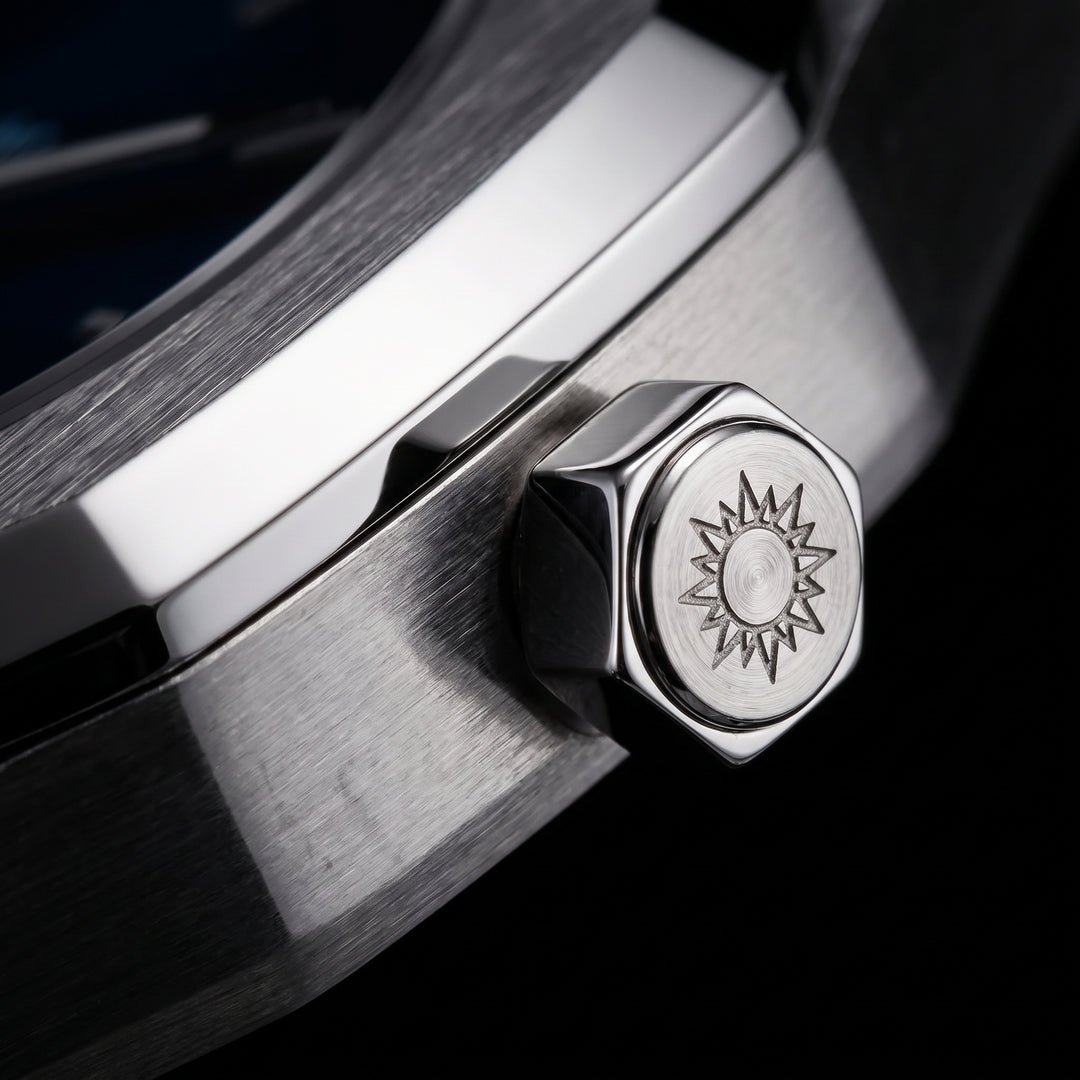
Removing rust from stainless steel watch cases is possible, but only if you first confirm that rust is actually what you are looking at. Many owners treat dirt, staining or surface discoloration as rust and then use the wrong method on their watch. Stainless steel resists corrosion well, but it is not immune, and a careful first look saves time and protects the finish.
Rust Versus Dirt, Staining and Corrosion
Rust is iron oxide, a reddish-brown or orange crust that forms when iron in the metal reacts with oxygen and moisture.
Many watch owners see something else:
- Dirt and grime: Sweat, oils and soap residue can look dull or gray. A gentle wash often removes it.
- Staining: Dark spots can come from contact with leather, chemicals or certain fabrics.
- Surface corrosion: Pitting or dark marks can form when salt water or chlorine sits on the metal for a long time.
A quick test: Wipe the spot with a soft cloth dampened with mild soap and water. If the mark lifts, it was dirt. If it stays and looks like a raised, orange-brown patch, you are likely dealing with rust.
Assessing the Case, Crown and Bracelet
Look at each part of the watch before you start. The case back, crown, bracelet links and pins can all corrode, but they need different care.
- Case back: Often the first place moisture collects. Check the edges where the case back meets the case.
- Crown: Do not force the crown if it feels stuck.
- Bracelet: Check the links and pins. Rust here is easier to see and often easier to treat without touching the movement.
If rust has gone through the metal, pitted deeply, or reached the crown or movement area, stop and get professional help. Surface rust is a job for careful cleaning. Deep corrosion needs a watchmaker.
Tools and Materials You Will Need
Gather everything before you begin. Working with the right tools keeps the job faster and lowers the chance of scratching the case.
- Soft cotton gloves: Protect your skin and keep fingerprints off the metal.
- Mild dish soap and warm water: Good for the first clean.
- Soft microfiber cloths: Use several so you never reuse a dirty one.
- Soft-bristled toothbrush: For tight spots around lugs and the case back edge.
- Wooden or plastic toothpick: Lifts debris from crevices without scratching.
- Aluminum foil and baking soda: A mild option for light surface rust (more on this later).
- White vinegar or a commercial watch-safe rust remover: Use only with caution.
- Fine polishing cloth: To restore shine after treatment.
- Clean white towel and a desk lamp: Good light shows what you are doing.
Avoid steel wool, wire brushes and household scouring pads. These leave scratches that are harder to fix than the rust itself.
Protecting the Movement and Gaskets Before You Start
Water and cleaning liquids are the main risks during this job. The movement is the mechanical heart of the watch, and the gaskets are the rubber seals that keep water out.
Watch out: Never submerge a watch in a rust remover or soak it in liquid unless the watch is rated for it and you know the seals are intact.
Before you clean:
- Check the water resistance rating. Know whether the watch is rated for splashes, daily wear or deeper water. Keep cleaning moisture to the outside of the case.
- Keep the crown pushed in and screwed down. A loose crown lets liquid enter.
- Work over a towel. This catches drips and protects the crystal if the watch slips.
- Keep liquids off the crystal edges and the crown. Apply cleaning products to a cloth or a toothbrush rather than pouring them onto the watch.
If you are unsure whether the seals are in good shape, a watchmaker can test water resistance for you.
Step-by-Step: Removing Rust From a Watch Case Back
Work slowly and check your progress after each step. Start with the gentlest method that could work.
- Clean the surface. Wash the case with mild soap and warm water. Dry it fully with a microfiber cloth.
- Inspect again. Look under good light. If the rust is gone, skip ahead to the drying and polishing steps.
- Choose your method. Use mechanical removal first. Move to a chemical option only if the mechanical method fails.
- Work on one small area at a time. Keep the rest of the case protected.
- Rinse with clean water. Remove all traces of product.
- Dry thoroughly. Use a clean cloth, then let the case air-dry for a short time before you handle it again.
- Inspect the result. Repeat only as needed. Stop if the metal starts to look thin or dull.
Mechanical Removal With a Soft Brush or Abrasive Paper
Mechanical removal is the safest first option for light surface rust. A soft-bristled toothbrush and mild soap can lift light marks. For stubborn spots, very fine abrasive paper, such as 2000-grit or finer, can help.
Watch out: Abrasive paper removes metal as well as rust. Use the lightest pressure you can and stop as soon as the spot is gone. On polished surfaces, abrasives leave dull marks that need polishing afterward.
Chemical Options and Their Trade-Offs
Chemical methods can work faster but carry more risk. Here is how the common options compare:
| Option | Best For | Main Risk | Our Take |
|---|---|---|---|
| Mild soap and water | Dirt and light films | Very low | Always try this first |
| Baking soda paste with foil | Light surface rust | Can dull polish if overused | Good for bracelets and case edges |
| White vinegar, brief contact | Light rust on bracelet links | Can etch finish if left too long | Test on a hidden area first |
| Commercial watch-safe remover | Stubborn surface rust | Chemical residue, possible seal damage | Use only if the product is labeled for watches |
With any chemical, keep contact time short, keep liquid off the crown and gaskets, and rinse completely.
Choosing a Rust Remover for Watches Safely
When you choose a rust remover, look for products labeled safe for watches or jewelry. Read the label for the metal type, contact time and rinsing instructions. Avoid strong acids such as hydrochloric acid, and avoid anything meant for industrial use.
A few guidelines help:
- Pick a product made for fine metals. Industrial rust removers are too harsh.
- Follow the label's contact time exactly. Longer is not better.
- Test on a hidden spot first, such as the inside of a bracelet link.
- Avoid immersion. Apply with a cloth or cotton swab instead.
- Keep the watch away from the crystal and crown.
If the product is not clearly labeled for watches, do not use it. Many people buy rust removers online, but the label is the only reliable guide to how gentle the product is.
How to Clean a Stainless Steel Watch After Treatment
Cleaning after treatment matters as much as the rust removal itself. Leftover residue can cause new corrosion, and the way you dry and refinish the case determines whether the repair is invisible or leaves a permanent mark.
- Rinse with clean, lukewarm water. Hold the watch under a gentle stream with the crown closed and screwed down. Keep the water off the crystal edges and out of the lug gaps as much as possible.
- Wash with mild soap. Use a soft-bristled toothbrush to clean the whole case, including the lugs, the case back edge, and the bracelet links. Work the brush gently so you do not drive grit into the finish.
- Rinse again. Make sure no soap or product remains. Residue that dries in the crevices can look like new corrosion within days.
- Dry completely. Pat dry with a microfiber cloth, then check the lug gaps and bracelet links where water hides. A clean white towel and a desk lamp help you see moisture you would otherwise miss.
- Restore the finish by matching the original grain. On brushed steel, identify the direction of the existing lines before you touch the surface. Use a soft cloth or a fine abrasive pad rated 2000-grit or finer, and stroke only in the direction of the grain. Never circle or scrub across the lines, because cross-grain scratches are visible from arm's length and cannot be hidden without refinishing the whole panel.
- Treat polished surfaces differently. On polished steel, use a fine polishing cloth in light, even strokes along the contour of the case. Polishing removes a tiny amount of metal each pass, so work in short sessions and check under the lamp between passes. Over-polishing softens case edges and can round the bevels that define the case geometry.
- Let it air-dry briefly. Wait a few minutes before wearing the watch, and avoid putting it back on a wet wrist or into a closed box while any moisture remains.
Watch out: Abrasives and polishing cloths remove metal, not just rust.
For sapphire crystal care after cleaning, use a soft cloth and avoid abrasive pads. Keep the crystal away from harsh chemicals, and check the case back seal before the next water exposure.
Preventing Rust and Knowing When to Book a Watchmaker
Prevention is simpler than repair. A few habits keep stainless steel cases in good shape:
- Rinse after salt water, chlorine or sweat. Dry the watch afterward.
- Remove the watch before swimming, showering or exercising unless it is rated for that use.
- Store it dry. A watch box with some airflow works well.
- Check the seals yearly through a watchmaker or a qualified service center.
- Avoid leaving the watch on wet surfaces for long periods.
Book a watchmaker if you see deep pitting, rust under the crystal, moisture inside the case, a crown that will not turn smoothly, or any sign that the movement may have been exposed to water. These problems need tools and training that home cleaning cannot provide.
For ongoing care tips, see our Stainless Steel Watch Care and Maintenance Guide. If your case needs light scratch work after treatment, our guide on removing light scratches from a steel watch covers safe options for brushed and polished finishes. Owners caring for their crystal after cleaning can also read how to maintain sapphire crystal watch glass.
If you are deciding on a future watch with stronger corrosion resistance, you can browse men's luxury watches in stainless steel from Day & Night Watch Co.
Frequently Asked Questions
Can rust on stainless steel be removed?
Surface rust on stainless steel can often be removed, but the result depends on how deep the corrosion has gone. Light surface discoloration may lift with gentle cleaning and a soft brush. Pitting, flaking or rust that has reached the mechanism usually needs a watchmaker. Stainless steel resists rust because of its chromium content, but salt, moisture and trapped grime can break down that protective layer over time. Removing the contaminant and drying the metal thoroughly is the first step in any treatment.
Does vinegar damage a stainless steel watch?
Vinegar is a mild acid and is less aggressive than many commercial rust removers, but it still carries risk. Prolonged soaking can etch polished finishes and may attack gaskets, adhesives and plated parts. If you use it, limit contact time, keep liquid away from the movement and rinse with clean water. Dry the case completely afterward. For a valuable or vintage watch, a watchmaker is the safer choice rather than any home soak.
How do you remove rust from a stainless steel watch case without scratching it?
Start with the least abrasive method that works. Soak the case in a mild solution only if the rust is light, then loosen residue with a soft brush or a wood or plastic tool. Avoid steel wool and coarse abrasive paper on polished surfaces, since these leave visible scratches. Work with the grain on brushed finishes. Test any product on a hidden area first, and stop as soon as the rust lifts. Heavy rust on a polished case usually calls for professional refinishing.


Leave a comment