


Table of Contents
- What Scratch Resistance Actually Means at Work
- Sapphire Crystal vs Mineral Glass: Which Survives a Job Site
- Is Sapphire Crystal Shatterproof? Impact vs Scratch Resistance
- The Best Watch Crystal for Manual Labor
- The Hidden Risk: Anti-Reflective Coating Wear
- Repair and Replacement: What Happens When It Fails
- Frequently Asked Questions
Last Updated: September 23, 2026
What Scratch Resistance Actually Means at Work
If you work with your hands, the question isn't whether your watch crystal will get hit, it's whether it will show. Sapphire crystal is one of the hardest transparent materials in watchmaking, and a sapphire crystal scratch is rare because it resists the everyday abrasion that destroys cheaper glass. But "scratch proof" is a marketing phrase, not a materials-science term.
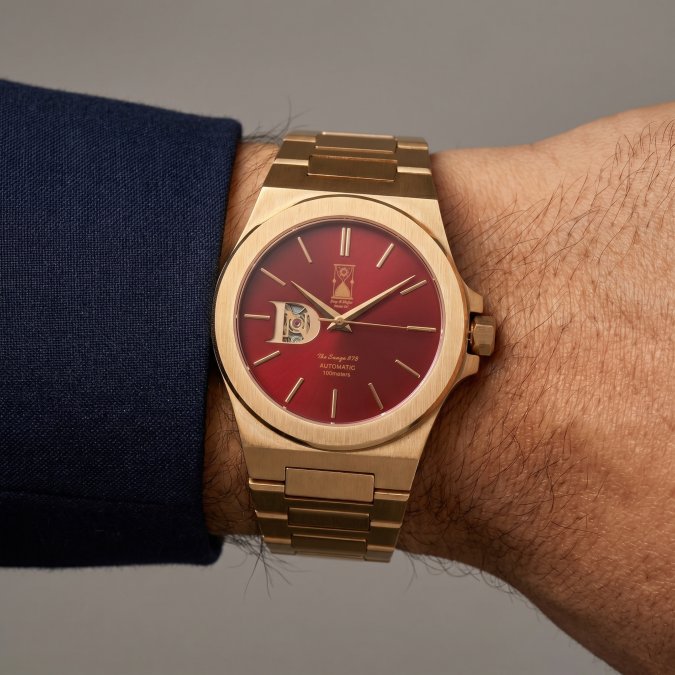
Sapphire Crystal vs Mineral Glass Durability Guide 2026
The Mohs Scale and Where Sapphire Sits
The Mohs scale is a 1-to-10 ranking of how well one mineral scratches another. Talc sits at 1, diamond at 10. Sapphire, which is a form of corundum, rates a 9. That single number explains most of sapphire's reputation. Only diamond and a handful of engineered materials outrank it, which means the vast majority of things your watch brushes against during a workday cannot cut into it.
What Can Still Scratch Sapphire Crystal
Hardness is not invincibility. A material only scratches sapphire if it is harder than sapphire, or strikes with enough force to chip rather than cut:
- Diamond-tipped tools and drill bits
- Diamond grit on grinding wheels and cutting discs
- Silicon carbide abrasives found on some sandpaper and grinding surfaces
- Tungsten carbide tooling used in machining
- Another sapphire surface
Sapphire Crystal vs Mineral Glass: Which Survives a Job Site
Mineral glass is the standard crystal on most budget and mid-range watches. It's a hardened glass, tougher than acrylic but far softer than sapphire on the Mohs scale, and it picks up micro-scratches from ordinary contact with metal, masonry, and grit. For a desk job, that's a slow cosmetic decline. For manual labor, it's a losing battle.
Feature |
Sapphire Crystal |
Mineral Glass |
Acrylic Crystal |
|---|---|---|---|
Mohs hardness |
9 |
~5-6 |
~2-3 |
Scratch resistance |
Excellent |
Moderate |
Poor |
Impact resistance |
Good (brittle) |
Good |
Excellent |
Optical clarity |
Highest |
Good |
Moderate |
Typical cost to replace |
Higher |
Lower |
Lowest |
Best for |
Daily wear, work |
Casual, budget |
Rough impact use |
Acrylic Crystal: The Third Option
Acrylic, sometimes called hesalite or plexiglass, is the softest of the three. It scratches easily but flexes instead of shattering, which is why some field and dive watches still use it. If your job involves repeated hard knocks and you'd rather buff than replace, acrylic has a case. If you want lasting clarity, it doesn't.
Is Sapphire Crystal Shatterproof? Impact vs Scratch Resistance
No crystal is shatterproof, and sapphire is not the exception. Sapphire crystal is highly resistant to a sapphire crystal scratch but comparatively brittle, so a sharp, hard impact can chip or fracture it even though routine abrasion never touches it. That's the hardness vs brittleness trade-off: the rigid structure that shrugs off scratches has almost no capacity to deform under a sudden blow, releasing energy as a crack instead of absorbing it.
How Sapphire Actually Fails on a Job Site
Abrasion removes material slowly and leaves a scratch; impact delivers energy in a fraction of a second and leaves a chip, crack, or spiderweb fracture. On a work site, the second is the realistic risk.
- Edge strikes. The rim of the crystal is the thinnest, most exposed part. A hammer handle, a rebar end, or the corner of a toolbox that catches the edge concentrates force on a tiny area and chips it.
- Point-load strikes. A dropped screwdriver tip, a chisel, or a drill bit falling point-first delivers force to a single point rather than spreading it across the face. Sapphire handles distributed force well; it handles concentrated force poorly.
- Pinch impacts. When the watch is trapped between two hard surfaces, a wrist pressed against a steel beam while the other side meets a concrete wall, the crystal has nowhere to flex and can fracture even under moderate force.
Why Mineral Glass Sometimes Survives a Hit That Cracks Sapphire
Mineral glass sits around 5-6 on the Mohs scale, making it softer and slightly more elastic. That elasticity lets it flex a hair under impact, so in a narrow band of impact energies it can survive a blow that fractures sapphire. The trade is brutal: the same softness means it accumulates micro-scratches from grit, metal shavings, and masonry dust within weeks of daily labor.
The Bezel Is the Real Impact Defense
Because sapphire's weakness is impact, not abrasion, the most effective protection is a case design that keeps the crystal from hitting a surface first. A raised bezel, a recessed crystal seat, or a domed bezel standing proud of the crystal face redirects impact energy into the case instead of the crystal edge, which is why field and tool watches so often pair sapphire with a pronounced bezel.
Matching Impact Risk to Your Trade
Not every job carries the same impact profile:
- Low impact, high abrasion (office, driving, light field work): sapphire is close to ideal, and bezel geometry is a minor concern.
- Moderate impact, high abrasion (electrical, plumbing, HVAC, general construction): sapphire with a raised bezel is the strongest overall choice.
- High impact, moderate abrasion (demolition, heavy rigging, mining): sapphire still works, but a bezel-guarded case or a sacrificial acrylic crystal may be the more practical call if direct blows are routine.
For most working environments, the daily-abrasion advantage of sapphire outweighs the occasional impact risk. The exception is a job where your wrist regularly takes hard, direct hits, and there, no crystal is truly safe.
The Best Watch Crystal for Manual Labor
The best watch crystal for manual labor is sapphire, provided the watch is built to protect it. Sapphire's abrasion resistance handles the grit, dust, and metal contact that define a workday, and a raised or recessed bezel absorbs impacts that would otherwise reach the crystal edge. The crystal is only half the equation; case design does the rest.
Matching Crystal Type to Your Work Environment
Crystal choice should follow your job's specific hazards, not a generic "tough" label:
- Office and light field work: Sapphire is the clear pick. Abrasion from desks, doorframes, and keys is the main threat, and sapphire ignores it.
- Construction and trades: Sapphire still wins, but bezel protection matters more. A raised bezel keeps the crystal off flat surfaces when you set your hand down.
- Heavy impact environments: If direct blows are routine and you accept frequent polishing, acrylic deserves a look. Otherwise, sapphire with a protective bezel is the better long-term bet.
Check whether the crystal sits flush with or above the bezel. A crystal that sits proud of the case takes every impact first. A recessed or bezel-guarded crystal lets the case absorb the hit, which is the single most effective way to extend crystal life on a job site.
The Hidden Risk: Anti-Reflective Coating Wear
An anti-reflective coating is a thin film applied to the crystal to cut glare and improve legibility in bright conditions. It works, and it makes a real difference outdoors. It also wears. The coating is softer than the sapphire beneath it, so over months of hard use it can develop fine scuffs and a cloudy patch that looks like a scratched crystal even when the sapphire itself is untouched.
Repair and Replacement: What Happens When It Fails
Crystal replacement is a real cost of ownership, and it varies widely by material and watch.
Can a Scratched Sapphire Crystal Be Polished Out?
The short answer is: usually not, and that is the point. Sapphire is hard enough that the scratches it does pick up tend to come from diamond, silicon carbide, tungsten carbide, or another sapphire surface. Polishing sapphire requires diamond abrasives and material removal most watchmakers won't attempt on a finished crystal, because the process risks distorting the optical curvature and the anti-reflective coating.
A few practical patterns:
- Fine surface scuffs on the AR coating can sometimes be polished or the coating stripped, restoring clarity without replacing the crystal. This is the most common "scratch" complaint, and it is often a coating problem, not a sapphire problem.
- Shallow scratches in the sapphire itself are occasionally polished by a specialist with diamond compound, but the result is rarely perfect and the cost approaches replacement.
- Deep scratches, chips, and fractures are not polishable. The crystal is replaced.
What Replacement Actually Involves
Sapphire crystal replacement is a proper watch repair, not a swap. The watchmaker opens the case, protects or removes the movement, presses out the old crystal, cleans and inspects the gasket, presses in a new crystal of the correct diameter, thickness, and dome profile, then re-tests water resistance. Routine on a pressure-fit crystal with a standard gasket; more involved on an unusual crystal shape, integrated bezel, or monobloc case.
The variables that drive cost and turnaround:
- Crystal geometry. Flat round crystals are the cheapest and fastest. Domed, box-domed, and non-round crystals cost more because they are less common and harder to source.
- Coating specification. A crystal with an internal AR coating must be replaced with the same specification to preserve legibility. A generic replacement without the coating will look different.
- Water-resistance re-testing. Any crystal replacement should be followed by a pressure test. Skipping it is how a watch that was rated for swimming ends up fogging after a hand wash.
- Parts availability. A crystal for a current production watch is usually a stock item. A crystal for a discontinued or low-volume model can take weeks to source.
The Cost Math Over a Decade
Weigh replacement cost against frequency, not just the sticker price. A mineral crystal replaced every year or two can cost more over a decade than a single sapphire replacement that never comes. Acrylic is cheapest to replace and polish but demands the most attention; sapphire costs the most per replacement but is least likely to need one.
Protecting the Investment Before It Fails
A few habits extend crystal life on the job:
- Take the watch off before tasks that involve direct, point-load impact risk, chipping hammers, impact drivers, pry bars.
- Wear the watch on the inside of the wrist or under a sleeve when working in tight, hard-edged spaces.
- Rinse and wipe the crystal after exposure to masonry dust, metal filings, or abrasive grit, so debris does not get ground into the surface by later contact.
- Check the bezel and crystal seat periodically. A loose or damaged bezel stops protecting the crystal edge.
Day & Night Watch Co. backs its timepieces with a two-year warranty.
Sapphire's value isn't that it never fails. It's that routine wear almost never touches it, so replacement stays rare. Match the crystal to your actual hazards, protect it with a proper bezel, and check the AR coating placement, and you get a watch that looks the same after five years of work as it did on day one.
Frequently Asked Questions
Does sapphire crystal scratch easily?
No. Sapphire crystal rates 9 on the Mohs scale, just below diamond at 10. Everyday materials like keys, coins, and steel tools sit around 5 to 6.5, so they cannot scratch it under normal pressure. Only diamond-tipped tools, silicon carbide abrasives, or another sapphire surface can cause real damage. For most work environments, sapphire crystal resists scratches far better than mineral glass or acrylic.
Is sapphire crystal shatterproof?
Sapphire crystal is not shatterproof. Its extreme hardness makes it scratch-resistant, but it is more brittle than mineral glass. A sharp, hard impact against a corner or edge can cause it to crack or fracture. Mineral glass flexes slightly under impact and is less likely to shatter, though it scratches far more easily. For work involving heavy vibration or impact risk, that trade-off matters.
What is the best watch crystal for manual labor?
For most manual labor, sapphire crystal is the best choice because it resists the abrasion that ruins mineral glass. If your work involves high-impact hazards like swinging tools or falling debris, consider a watch with a recessed bezel or a protective case. Acrylic crystal is the most impact-resistant but scratches easily and needs polishing. Match the crystal to your specific environment.
Can anti-reflective coating on sapphire crystal wear off?
Yes. Many sapphire crystals have an anti-reflective coating applied to the surface. That coating is softer than the sapphire beneath it and can develop micro-scratches or wear patches over time, especially with abrasive dust or grit. The sapphire itself stays intact, but the coating degrades legibility. Some watches apply the coating only to the underside to avoid this problem.


Leave a comment